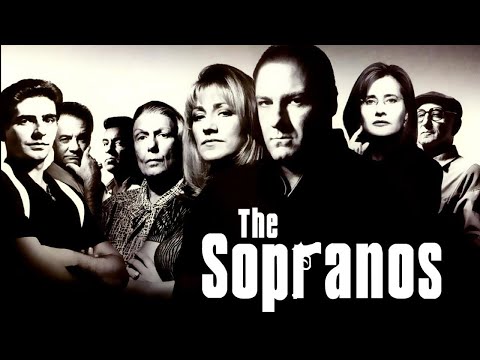
About The Sopranos
The Sopranos is an American crime drama created by David Chase that aired on HBO from 1999 to 2007. Set in suburban New Jersey, the series centers on Tony Soprano, a mid-level mob boss who begins seeing psychiatrist Dr. Jennifer Melfi to manage anxiety attacks threatening his ability to function as both a criminal and a family man. The show unfolds across two parallel worlds: the blood-soaked hierarchy of the DiMeo crime family and the ostensibly normal suburban life of his wife Carmela and their children.
The series is driven by the irresolvable tension within Tony himself — a man capable of genuine tenderness toward his family, and equally capable of brutal violence. James Gandolfini's performance became the standard against which all subsequent antihero portrayals would be measured. Supporting characters of extraordinary complexity surround him: Carmela rationalizes complicity through Catholicism and material comfort; Christopher Moltisanti struggles with addiction and need for validation; and Dr. Melfi occupies a morally fraught position that raises questions about the limits of clinical empathy.
The Sopranos operates as a sustained meditation on the American Dream, exploring how the mythology of masculine success and upward mobility can become a prison. It draws heavily on psychoanalytic frameworks, using therapy sessions to expose Tony's rationalizations. The show is also a dirge for an era — old-world codes of loyalty eroding against modernity, consumerism, and a younger generation with different values.
The Sopranos is widely considered the most significant television drama ever produced. It demonstrated that long-form narrative television could achieve the complexity of great literature. It won 21 Primetime Emmy Awards and its deliberately ambiguous series finale remains one of the most analyzed conclusions in television history.