About Dollar
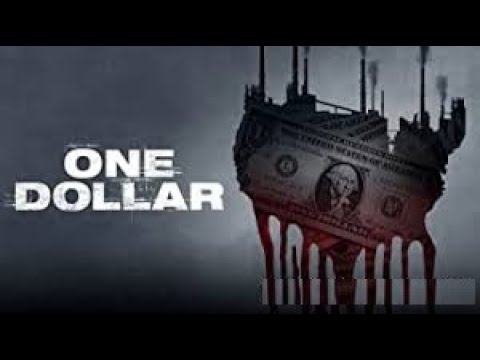
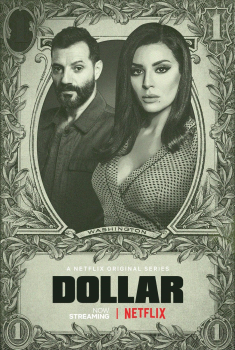
Dollar (Arabic: Al Dollar) is a Lebanese comedy-drama that became one of Netflix's earliest Lebanese original series, arriving in 2019 with a single ten-episode season. Set in a tightly knit Beirut neighborhood, the show begins with a deceptively small mistake at a local bank, where a clerical slip sends a stack of United States dollars into the wrong hands. From that one error, rumor spreads that easy money is suddenly within reach, and an ordinary community is quietly thrown off balance by the promise of unearned wealth.
Built as an ensemble satire, the series uses the chase for the misplaced cash to hold a mirror up to everyday greed, ambition, and self-deception. Neighbors who once traded gossip and small favors begin to scheme, bargain, and reposition themselves, each convinced that they deserve the windfall more than the next person. The comedy comes from the escalating misunderstandings and the gap between how people see themselves and how they behave once money enters the picture, while the drama lingers in the strained friendships and family ties left in the aftermath.
Anchored by a cast of well-known Lebanese performers, Dollar leans on sharp character writing and a brisk, episodic rhythm rather than spectacle. It treats the dollar of its title as both a literal object passing from hand to hand and a symbol of aspiration in a society where economic pressure is never far from the surface. The result is a tone that swings between farce and quiet melancholy, observing a neighborhood that wants to believe a single banknote can change everything.
As an early Arabic-language streaming original, Dollar contributed to a wave of Lebanese and wider Middle Eastern productions reaching international audiences through subtitles. It remains a compact, self-contained story rather than a long-running franchise, and it is often cited alongside other regional Netflix titles as part of the platform's push into Lebanese and Egyptian storytelling. This profile is AI-authored from public knowledge and flagged for human fact-check.